Why High-Quality Rubber Seals Are Essential for Reliable Industrial Performance

In modern industries, reliable sealing solutions are critical for maintaining equipment efficiency, preventing leaks, and extending the lifespan of machinery. Whether used in automotive systems, industrial equipment, hydraulic assemblies, or heavy machinery, rubber seals play a vital role in ensuring smooth and safe operations. Choosing high-quality sealing components helps reduce maintenance costs while improving overall system performance.
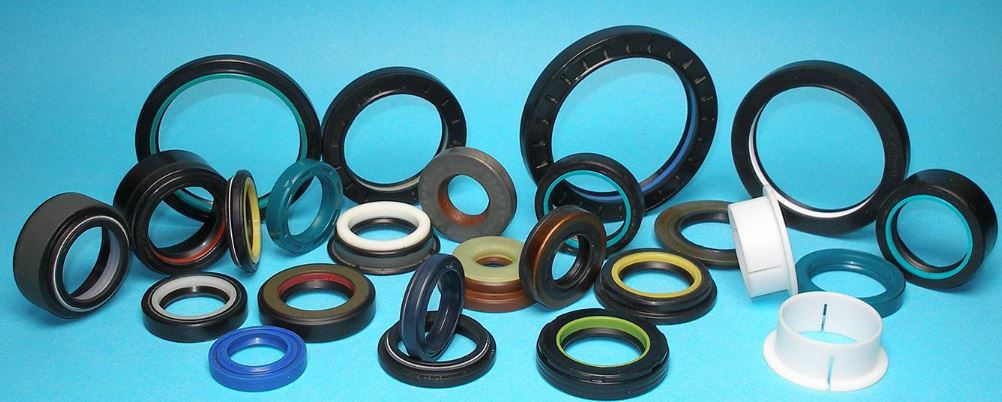
At Lusida Rubber Products, we manufacture premium industrial rubber seals designed to meet the demanding requirements of various industries. As a trusted rubber seal manufacturer, we provide precision-engineered sealing products made from high-quality materials such as NBR, EPDM, Silicone, Viton, and other elastomers. Our seals offer excellent resistance to heat, pressure, chemicals, abrasion, and harsh environmental conditions.

Every application has unique sealing requirements. That’s why we specialize in custom rubber seals tailored to your exact specifications. From standard profiles to complex sealing designs, our experienced team delivers reliable sealing solutions that improve equipment performance and minimize downtime.

If you’re looking for a dependable industrial seal supplier, Lusida offers high performance seals manufactured with strict quality control and advanced production technology. Our products are trusted across automotive, construction, manufacturing, oil & gas, food processing, and many other industries.

Explore our complete range of industrial rubber seals and discover sealing solutions engineered for durability, precision, and long-lasting performance.

Advantages and Applications of Solid Rubber Molding

Solid rubber molding is widely used in industries that require long-lasting, reliable, and high-performance parts. This process allows manufacturers to create components that withstand extreme conditions, making them suitable for both industrial and commercial applications. With its ability to deliver consistent quality, solid rubber molding has become a preferred choice in sectors such as automotive, machinery, construction, and electronics.

One major benefit is the ability to create solid rubber components with excellent strength and flexibility. These parts can resist wear, chemicals, heat, and heavy loads, ensuring stable performance over long periods. Many industries also rely on durable rubber components because they offer exceptional resistance against impact, abrasion, and vibration.

Manufacturers often require specialized shapes and specifications, making custom solid rubber parts essential. Through precision molding techniques, companies can produce components tailored to unique project requirements. These custom items ensure a perfect fit and reliable function, even in demanding environments.

Overall, solid rubber molding provides durability, versatility, and cost-effectiveness, making it a trusted solution across multiple industries.

Solid rubber molding delivers strong, long-lasting, and customizable components suitable for demanding industrial applications requiring durability and high performance.

What does AS 568 mean?

 It is important for molded rubber products to have certain standards. O-rings are no exceptions and there is something called an Aerospace Size Standard for O-Rings AS 568. It is a US standard for O-rings that came into being by the Society of Automative Engineers (SAE). As per this system, a dash “-“ is used to refer to O-ring sizes that are standardized. 

The main benefit of having standardized system is that the engineers can make use of the standard O-ring sizes to build prototypes and test their designs. They would know the size of standard O-rings and they would not have to measure it every time. This brings a sense of uniformity. The Aerospace Standard mentions the cross-sections, inside diameters tolerances and size identification codes for O-rings that are put to use in sealing applications. Talking about the uses of custom molded rubber products like O-rings, they are used in the manufacturing world extensively.  The biggest use of o-rings is that as an oil seal.

 You must note that you can get standard O-ring sizes in different materials. The most common materials used to make o-rings are Nitrile, Neoprene, Butyl, Silicone, Fluorosilicone, Fluorocarbon, and EPDM. 

AS 568 is Aerospace Size Standard for O-Rings to help engineers build prototypes and test designs. O-rings are used widely in the manufacturing world.