How to Choose the Right Conveyor Belt for Industrial Applications

Selecting the right belt is essential for maintaining smooth material handling, improving productivity, and reducing downtime in industrial operations. Different industries require reliable solutions to transport materials safely and efficiently.

A Conveyor Belt plays a vital role in manufacturing, warehousing, mining, and material processing. Choosing a suitable belt depends on the type of material, operating environment, load capacity, and required speed. A high-quality Rubber Conveyor Belt is often preferred for its flexibility, durability, and resistance to demanding working conditions.
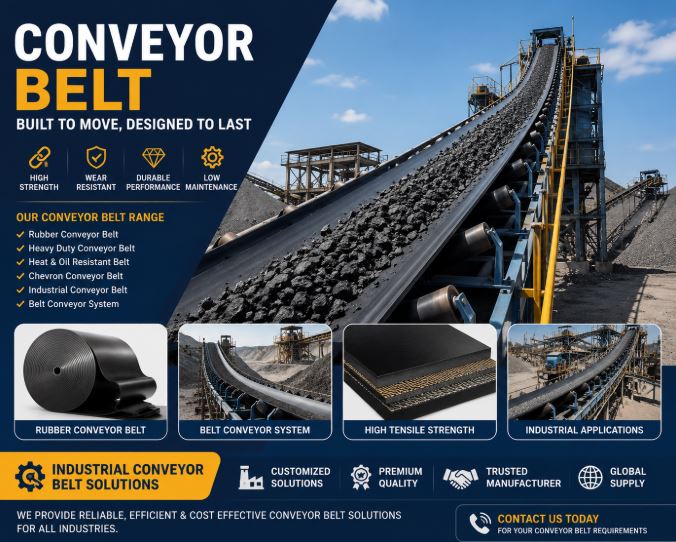
When selecting an Industrial Conveyor Belt, businesses should consider abrasion resistance, belt strength, temperature exposure, and maintenance requirements. Heavy materials and continuous operations may require a Heavy Duty Conveyor Belt designed to withstand demanding workloads. Working with an experienced Conveyor Belt Manufacturer can help businesses identify suitable materials and specifications for their applications.

A dependable Conveyor Belt Supplier can also provide guidance on belt selection, installation requirements, and replacement options. Proper maintenance, regular inspections, and correct belt tension help extend service life and support consistent performance.

Modern Conveyor Belt Systems improve workflow by reducing manual handling and supporting efficient material movement. Whether upgrading an existing Belt Conveyor System or planning a new installation, choosing the right belt can contribute to operational efficiency, safety, and long-term value.

Discover how to choose durable conveyor belts for industrial applications by considering material handling needs, load capacity, operating conditions, and maintenance.
Choosing the Right Sheet Gaskets for Reliable Industrial Sealing

Reliable sealing plays an important role in maintaining equipment performance, preventing leaks, and reducing unexpected maintenance. Selecting the right material helps ensure long-lasting protection in demanding operating environments.

Understanding Materials and Applications

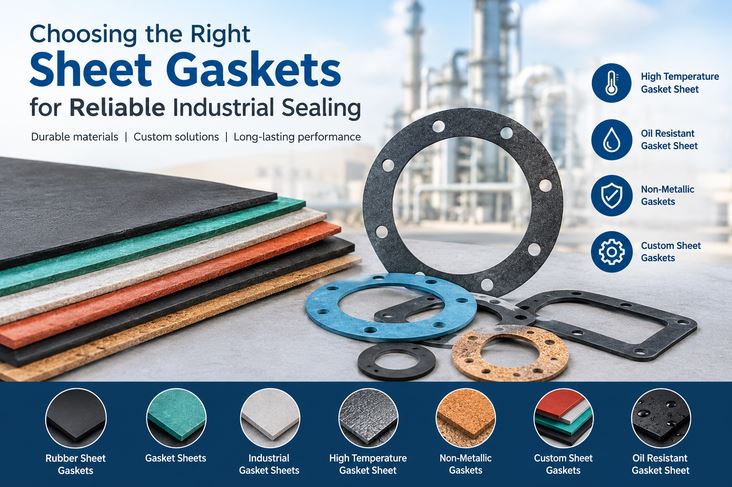
Sheet Gaskets are designed to seal between mating surfaces in machinery, pipelines, automotive components, and industrial equipment. Different materials offer specific benefits depending on temperature, pressure, chemical exposure, and operating conditions.

Gasket Sheets are available in materials such as compressed fiber, graphite, PTFE, cork-rubber, and elastomers. Choosing the appropriate material improves sealing efficiency and helps extend equipment service life.

For flexible sealing applications, Rubber Sheet Gaskets made from NBR, EPDM, neoprene, or silicone provide different levels of resistance to oils, weather, and heat. Industrial Gasket Sheets are suitable for various manufacturing and maintenance requirements, while Non-Metallic Gaskets offer versatile solutions for many industrial systems.

Finding the Right Sealing Solution

Applications involving elevated temperatures may require a High Temperature Gasket Sheet, while machinery exposed to petroleum-based fluids may benefit from an Oil Resistant Gasket Sheet. Custom Sheet Gaskets can also be manufactured to match specific dimensions and drawings.

Choosing an experienced Gasket Sheet Manufacturer and Gasket Sheet Supplier helps ensure suitable material selection, dimensional accuracy, and dependable performance.

Lusida Rubber Products offers standard and customized sealing solutions for diverse industrial requirements. Contact the team to discuss your application and find a suitable gasket material.

Discover durable sheet gaskets, versatile materials, and customized sealing solutions from Lusida Rubber Products for dependable performance across demanding industrial applications.

Sponge Rubber Molding for Custom Industrial Applications

Sponge rubber components play an important role in improving sealing, cushioning, and insulation across various industrial applications.

Understanding Sponge Rubber Molding

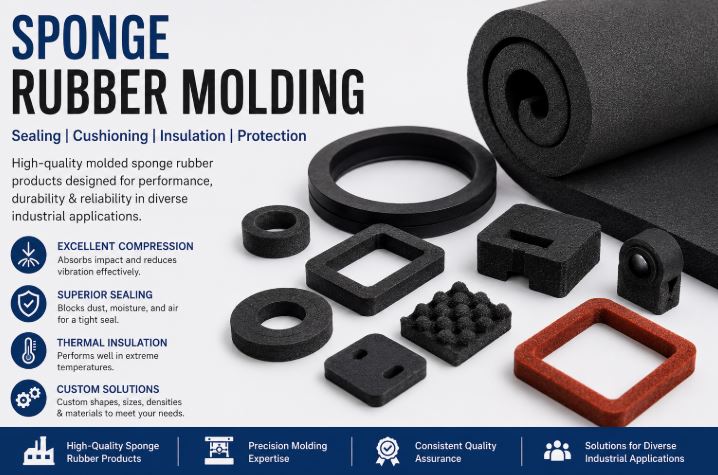
Sponge rubber molding is a manufacturing process used to create flexible rubber components with a cellular structure. These materials can compress under pressure and recover their shape, making them useful for applications requiring effective sealing, cushioning, and vibration control.

Benefits of Molded Sponge Rubber Products

High-quality molded sponge rubber products help reduce noise, absorb impact, and fill gaps between mating surfaces. Depending on the material and design, they can also provide thermal insulation and protection against dust and moisture. These properties make them suitable for automotive components, industrial equipment, electronic enclosures, and HVAC systems.

Custom Solutions for Industrial Requirements

Custom sponge rubber molding allows manufacturers to develop components in specific shapes, sizes, densities, and material types. Selecting the right rubber compound depends on operating temperature, compression requirements, environmental exposure, and the intended application.

Working with an experienced sponge rubber manufacturer helps businesses choose suitable materials and achieve consistent product dimensions. A reliable rubber molding company also considers mold design, production methods, and quality inspections to support dependable performance.

Choose Lusida Rubber Products

Lusida Rubber Products provides sponge rubber molding solutions for diverse industrial needs. Businesses can explore customized components designed around their application requirements and product specifications.

Sponge rubber molding produces flexible, customized components for sealing, cushioning, insulation, and vibration control across automotive, electronics, HVAC, and industrial applications.

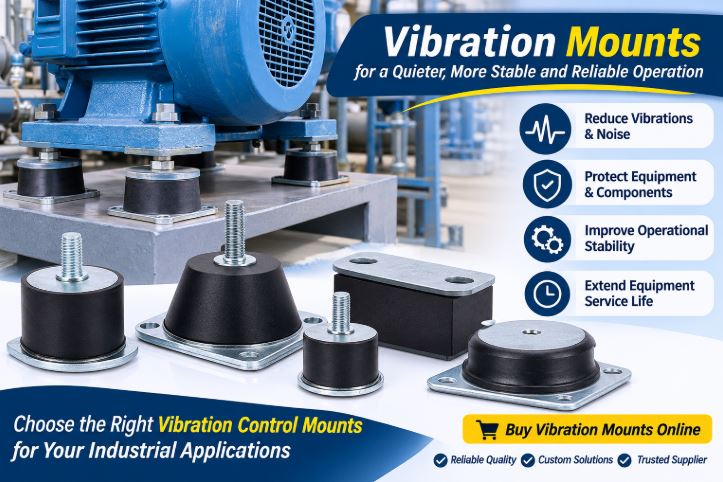
How Vibration Mounts Improve Industrial Equipment Performance

Industrial machines often generate vibrations and noise during operation, which can affect equipment performance, workplace comfort, and component durability. Choosing the right mounting solution helps reduce these issues and supports smoother machine operation.

Benefits of Vibration Mounts

Vibration mounts are designed to absorb shocks and minimize vibrations produced by motors, compressors, pumps, generators, and other industrial equipment. They help protect machinery from excessive movement and reduce stress on connected components.

Reliable vibration control mounts can improve operational stability, reduce unwanted noise, and help extend equipment service life. Selecting the correct mount depends on load capacity, operating frequency, temperature, and environmental conditions.

Choosing the Right Mounting Solution

When selecting custom vibration mounts, businesses should consider machine weight, installation space, material compatibility, and vibration intensity. Rubber and metal-rubber mounting solutions are commonly used in industrial applications because they provide flexibility, durability, and effective vibration isolation.

Working with an experienced vibration mounts supplier helps ensure the mounting solution matches specific equipment requirements. Businesses looking to buy vibration mounts online should compare product specifications, load ratings, dimensions, and application suitability before making a purchase.

Reliable Solutions for Industrial Applications

Lusida Rubber provides rubber products and custom molding solutions for various industrial needs. Choosing suitable vibration isolation components can help improve equipment stability, reduce maintenance concerns, and support reliable long-term performance.